• 爱德华·沙畹
埃玛纽埃尔-爱德华·沙畹(1865年10月5日—1918年1月29日) ,简称沙畹,是学术界公认的19世纪末20世纪初世界上最有成就的中国学大师,公认的“欧洲汉学泰斗”。同时他也是世界上最早整理研究敦煌与新疆文物的学者之一,被视为法国敦煌学研究的先驱者。继他之后成为法国中国学与敦煌学大师的伯希和与马伯乐都出自他的门下,被弟子伯希和推许为“第一位全才 ...
埃玛纽埃尔-爱德华·沙畹(1865年10月5日—1918年1月29日) ,简称沙畹,是学术界公认的19世纪末20世纪初世界上最有成就的中国学大师,公认的“欧洲汉学泰斗”。同时他也是世界上最早整理研究敦煌与新疆文物的学者之一,被视为法国敦煌学研究的先驱者。继他之后成为法国中国学与敦煌学大师的伯希和与马伯乐都出自他的门下,被弟子伯希和推许为“第一位全才 ...
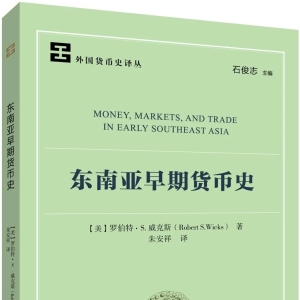
《▲国内首部东南亚从早期至近世(15世纪早期)的货币史、经济史与贸易史新著,作者精通艺术史、考古学与钱币学研究。▲当时整个东南亚都显现出货币化的总趋势,但货币化进程既不统一也不连续,并非东南亚所有地区都开始使用货币,使用货币的地区在货币化方式和程度上也不完全相同。▲本书探讨了前3—15世纪早期的货币观念和其对东南亚各地货币化进程的影 ...
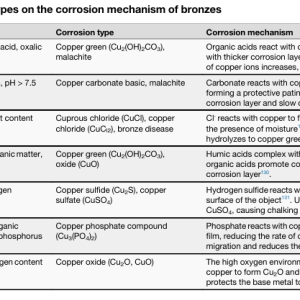
AbstractThis study centers on the symbiotic integration of art and chemistry in the conservation of bronze artifacts. Focusing on chemical analysis, cleaning, corrosion protection, and sealing, it aims to balance scientific stability with historical authe
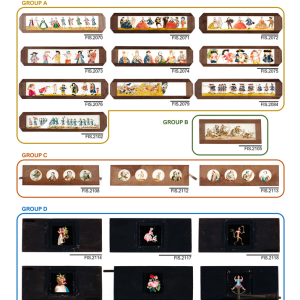
AbstractThe magic lantern, developed in the mid-17th century, was the first optical instrument for projecting transparent images painted on glass slides. It became a powerful tool for scientific and religious education, entertainment, and advertising thro
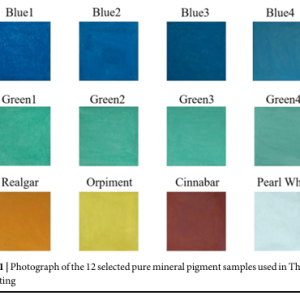
AbstractAccurate identification of pigments is vital for preserving Tibetan Thangka paintings, where mineral colors often occur in undocumented mixtures and layered structures. We introduce an automatic hyperspectral framework that unifies pigment classif
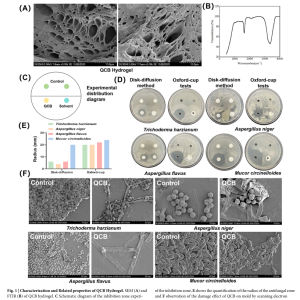
AbstractArchive storage boxes are preventive tools used by museums and archives to mitigate the impact of adverse external factors. In this study, quaternized chitosan and polyacrylamide double-network gel were used to load sodium octaborate tetrahydrate,
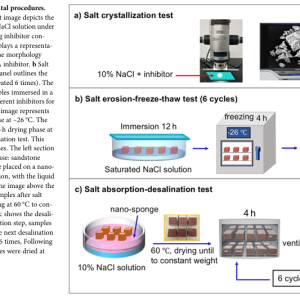
AbstractSalt weathering poses a major threat to porous sandstone in cultural heritage. Iron-tartrate complexes have been proposed to modify NaCl crystallization behavior and prevent clumping. However, their efficacy in stone conservation has remained unve
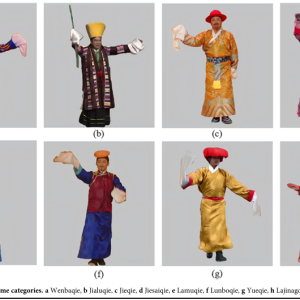
AbstractTo promote the digital preservation and dissemination of Tibetan Opera, a unique form of intangible cultural heritage, this study addresses key challenges such as limited sample availability, intricate costume patterns, variable object scales, and
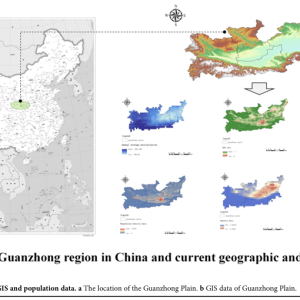
AbstractThe Guanzhong region, a major political and cultural center in ancient China, is known for its imperial and noble tombs with symmetrical, central-axis layouts that reflect hierarchical order and feng shui principles. These tombs, often aligned wit
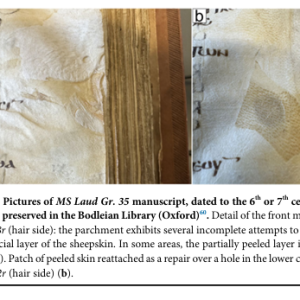
Marine Appart, Jiří Vnouček, Marc Fourneau, Nicolas Gros, Francesca Cecchet, Yves Poumay, Caroline Canon, Matthew James Collins Olivier Deparisnpj Heritage Science volume 13, Article number: 665 (2025)AbstractThe ability of sheepskin to delaminate has be
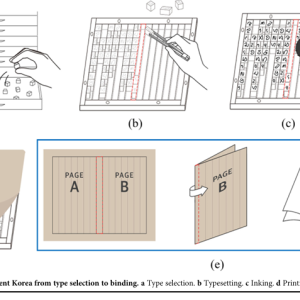
AbstractWhile movable metal-type printing in Goryeo and Joseon dynasties enabled efficient book production, certain aspects of the process remain insufficiently understood. We propose a method to estimate the number of typesetting boards used in historica
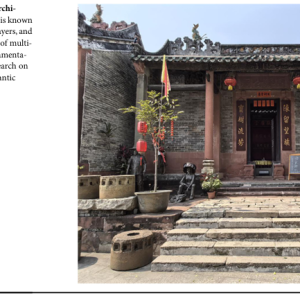
AbstractTraditional Cantonese ancestral halls are essential components of Chinese cultural heritage, functioning as symbolic systems that embody rich cultural values. Drawing from architectural semiotics, we propose the DualPath-WavNet_Canton model to dec
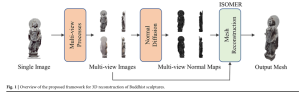
AbstractBuddhist sculptures face preservation challenges due to physical degradation and limited accessibility. We present a framework for high-fidelity 3D reconstruction from single 2D images, integrating modified Stable Diffusion architecture with a nov
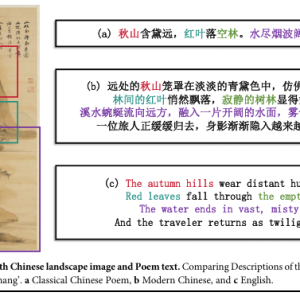
AbstractGenerating traditional Chinese landscape paintings from classical poetry is a challenging cross-modal task due to the condensed semantics and esthetic abstraction of poetic language. Existing text-to-image models struggle to interpret classical Ch
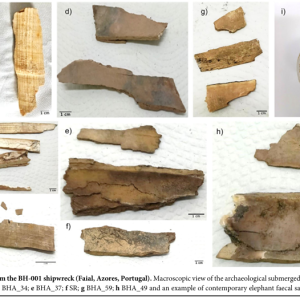
Marina Costa, Cláudia S. L. Vicente, Margarida Espada, Jorge M. S. Faria, Jorge Ginja Teixeira, José Bettencourt Dora Martins Teixeiranpj Heritage Science volume 13, Article number: 672 (2025)AbstractUnderwater archaeological excavations at a shipwreck l
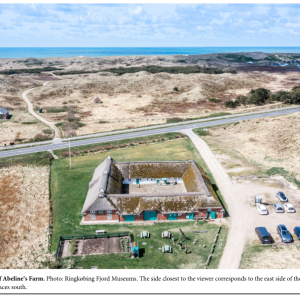
npj Heritage Science volume 13, Article number: 674 (2025)Teodora Boyadzhieva, Michael Højlund Rasmussen, Bjarke Jensen, Arne Jouttijärvi, Arkadiusz Goszczak, Jacek Fiutowski, Caroline E. Larsen Lasse Kristian Taagelund HedegaardAbstractA renovation of t
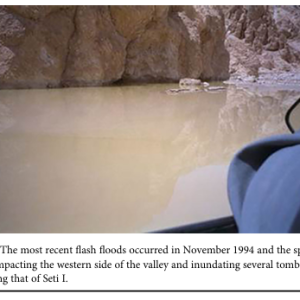
AbstractThe tomb of Seti I (KV17) is the largest, deepest, and most elaborately adorned tomb in Luxor’s Valley of the Kings. This structural distinction has rendered it vulnerable to irreversible deterioration and structural deficiency, exacerbated by his
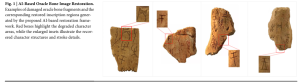
AbstractOracle bone script, China’s earliest known mature writing system, epitomizes ancient Chinese civilization’s origins. However, many characters are severely damaged by temporal degradation and natural erosion, complicating their interpretation. Thus
AbstractThis study investigates the provenance and manufacturing process of glassware excavated from the Jiujian Site in Heilongjiang Province, China, dating to the Liao and Jin Dynasties (A.D. 907–1234), using multiple non-destructive analytical techniqu
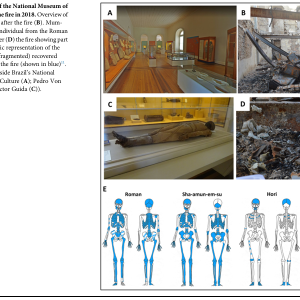
Maria Paula M. Marques, Victor Guida, David Gonçalves, Ana L. C. Brandão, Daniela A. H. Santos, Stewart F. Parker, Claudia Rodrigues-Carvalho, Murilo Q. R. Bastos Luís A. E. Batista de Carvalhonpj Heritage Science volume 13, Article number: 682 (2025)Abs
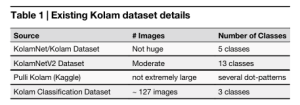
AbstractRangoli, a vibrant and intricate art form integral to Indian festivals, symbolizes cultural heritage and community spirit. Despite its deep-rooted significance, the preservation and classification of rangoli designs have been underexplored. Our wo
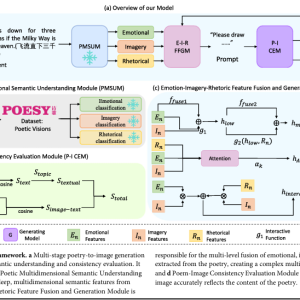
AbstractPoetry-to-image generation aims to translate abstract poetic language into visual art, but existing methods fail to capture deep emotions and artistic essence, producing images that lack the poem’s aesthetic quality. To address this, we propose a
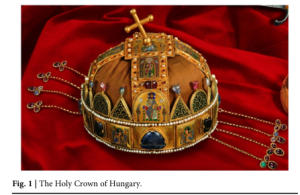
AbstractThe Holy Crown of Hungary is a unique medieval artefact whose debated origin is examined through an archaeoengineering approach specifically developed for its objective, scientific investigation. Within this methodological framework, the technolog
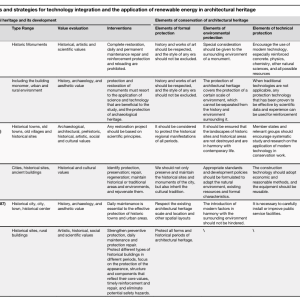
AbstractBased on the Web of Science literature (2004-2024), this review synthesizes integrated applications of solar, geothermal, wind, and other renewables in architectural heritage. It proposes principles centered on authenticity and assesses the potent
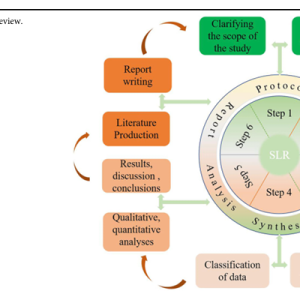
AbstractUnderstanding ecosystem service driving mechanisms (ESDM) is essential to ensure the sustainable utilization of ecosystem services (ES). However, a systematic assessment of ESDM is still lacking. To address this gap, this study used a systematic l
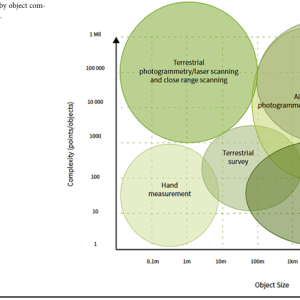
Jakub Markiewicz, Patryk Kot, Andreas Georgopoulos, Agnieszka Bocheńska, Magomed Muradov, Mona Hess, Karol Czajkowski, Dorota Zawieska Angeliki Antoniounpj Heritage Science volume 13, Article number: 622 (2025)AbstractThe safeguarding and preservation of
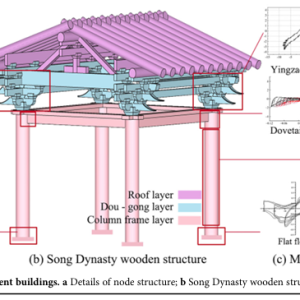
AbstractAncient Chinese wooden structures exhibit remarkable organic characteristics, reflected in their highly integrated construction and exceptional seismic performance. To explore the seismic-resistant wisdom inherent in ancient wooden structures, thi
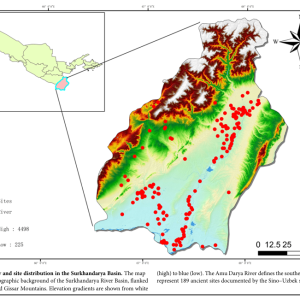
AbstractArchaeological Predictive Model is crucial for efficient site identification but faces challenges like high uncertainty in negative samples, limited accuracy, and simplistic analyses of site-environment interactions. This study, based on 189 Kusha
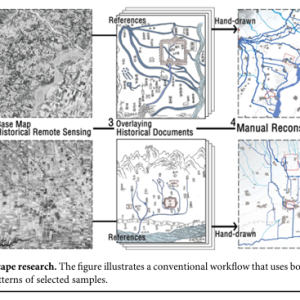
AbstractAs a living heritage, the Jiangnan Canal landscape features interwoven natural and artificial water networks. To accurately interpret its overall spatial composition and address heritage sustainability challenges, this study proposes Geo-SegFormer
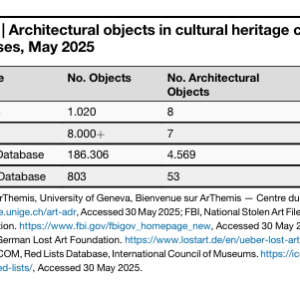
The illicit trade of architectural elements poses a long-standing challenge to cultural heritage conservation yet remains largely overlooked. This paper highlights the need to interlink heritage metadata and visual data for identifying architectural eleme
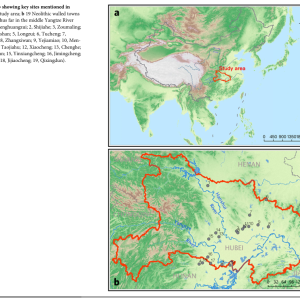
AbstractThis paper traces the transition from Daxi-Hougang cultural interactions to a tripartite cultural landscape, culminating in the consolidation of the Qujialing culture. Endogenous development centered on rice agriculture fostered the formation of s
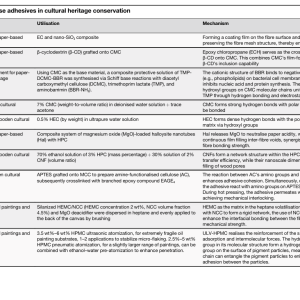
AbstractThis review assesses the application of cellulose derivatives, specifically cellulose ethers and nanocelluloses, in cultural heritage conservation. By analysing literature and case studies, it highlights how their unique properties enable eco-frie
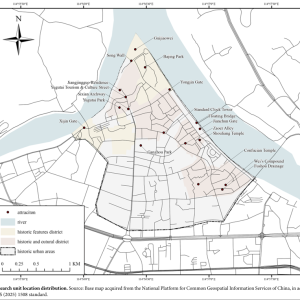
AbstractIn the context of global urban renewal, historic urban areas (HUAs) face the challenge of balancing heritage preservation with sustainable development. Heritage tourism is a key pathway to achieve this balance. The emotional responses and behavior
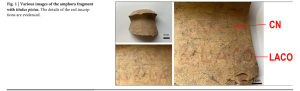
npj Heritage Science volume 14, Article number: 3 (2026)Martina Bernabale, Luca Buccini, Pierfrancesco Atanasio, Alessia Sanna, Anna Candida Felici, Daniele Passeri, Marco Rossi, Paolo Binaco Danilo DiniAbstractDuring the Roman period, amphorae were esse
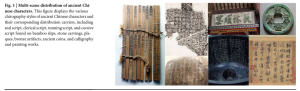
AbstractWith three millennia of evolution history, ancient Chinese characters present unique challenges for intelligent recognition systems due to severe degradation and stylistic variations, causing notable intra-class variation and reduced inter-class s
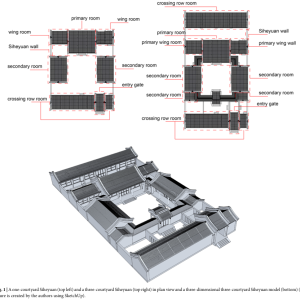
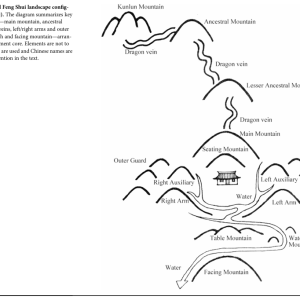
AbstractSiheyuan, a traditional Chinese courtyard dwelling, is the cultural heritage where Fengshui, the ancient Chinese superstitious geomancy, is embedded. This paper presents a novel parametric approach to interpret the Fengshui theory Li Qi computatio
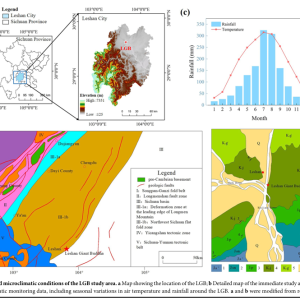
AbstractWater seepage can accelerate the deterioration of stone, but previous experimental studies often only focused on a single solution, ignoring the complexity of the natural water environment. In this study, sandstone samples from two strata of Lesha
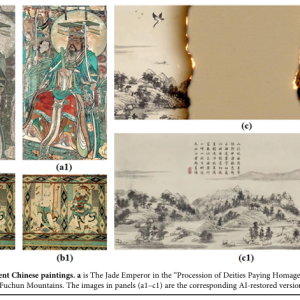
AbstractThe preservation of cultural artifacts is vital for maintaining historical continuity, particularly for traditional Chinese paintings that often suffer from decay and damage over time. Existing inpainting methods struggle to simultaneously recover
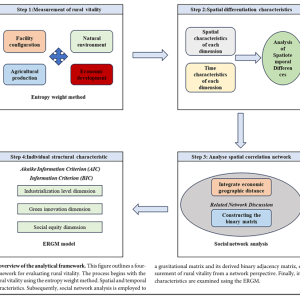
AbstractRural population contraction and vitality decline pose universal challenges amid global industrialization and urbanization. This study adopts an integrated framework combining entropy weight method, gravity model, social network analysis, and expo
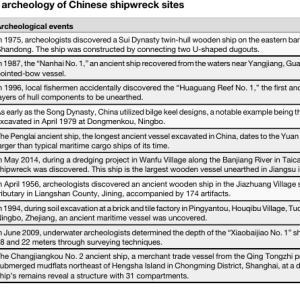
AbstractExisting studies have primarily focused on how the functional evolution of vessels responded to external demands, and many have overlooked the influence of regional institutional contexts and global trade networks. Drawing on computational text an
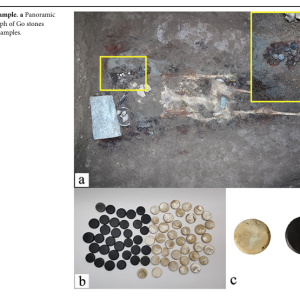
AbstractWhile Go embodies the profound cultural heritage of the Chinese nation, archaeological research on it remains limited, particularly concerning Go-related cultural artifacts. We employed a suite of analytical techniques—including high-depth-of-fiel
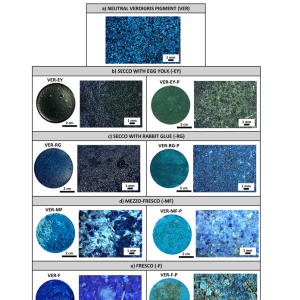
AbstractThis study fills the gap regarding the behaviour of neutral verdigris pigment (Cu(CH₃COO)₂·H₂O) in traditional wall-painting techniques, an area far less studied than its degradation in manuscripts or easel paintings. Verdigris was applied using t
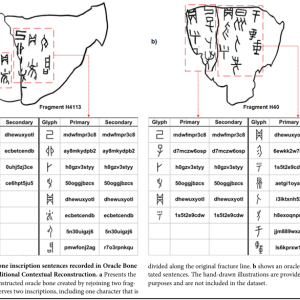
Han Zhang, Taozhi Wang, Zhan Zhang, Bang Li, Hua Sun, Chengbin Hou, Nan Wang, Yang Yu, Qingju Jiao, Jing Xiong Yongge Liunpj Heritage Science volume 14, Article number: 19 (2026)AbstractOracle bone inscriptions are China’s earliest writing system, dating
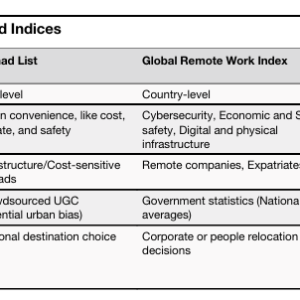
AbstractGlobal agricultural heritage systems (GIAHS), recognized for their biocultural significance, is facing a critical challenge of balancing preservation with development. Despite digital nomads’ potential to generate low-impact heritage revitalizatio
AbstractWe test whether orientation rules in the Eight Mansions (Ba Zhai) tradition align with microclimatic comfort in a hot–humid setting. Using CFD coupled with the Universal Thermal Climate Index (UTCI), we simulated 24 rotational orientations of a ty
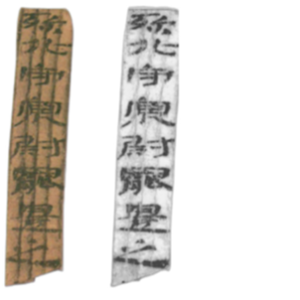
Qiang Zhang, Jiazhen Qin, Ying Qi, Teng Wan, Shanxiong Chen, Lixin Yang, Chenyang Wang, Xin Zhang, Jintan Han Fengchen Qinpj Heritage Science volume 14, Article number: 25 (2026)AbstractJiandu, ancient China’s primary writing medium before paper, frequen
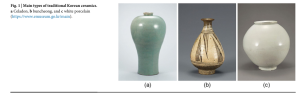
AbstractThis study presents an explainable machine learning approach for classifying traditional Korean ceramics, including celadon, buncheong, and white porcelain, based on X-ray fluorescence chemical composition data. A curated dataset of 624 samples wa
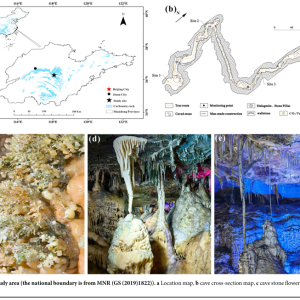
Shengxin Peng, Wen Liu, Tao Zhang, Junbing Pu, Zhiqiang Zhao, Haoran Liu, Yanhao Zhai, Nataša Ravbar, Alena Gessert Eko Haryononpj Heritage Science volume 14, Article number: 31 (2026)AbstractCave-air CO₂, one of the key indicators of cave ecosystem stab
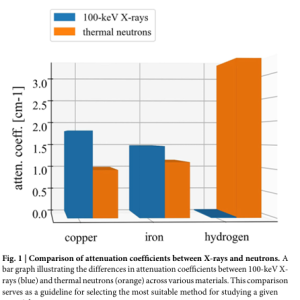
AbstractBronze statues hold deep significance in Buddhism and Bon, often containing relics sealed within their hollow interiors. Traditional scholarly methods, such iconographic analysis, cannot access the hidden contents of these statues without risking
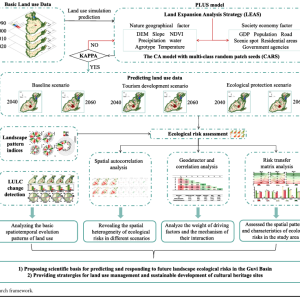
AbstractAssessing landscape ecological risk (LER) is vital for sustainability in ecologically fragile regions. However, LER in cultural heritage sites remains insufficiently explored. Using Guyi Basin as a case study, this study analyzes LER dynamics unde
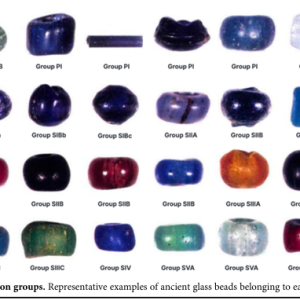
AbstractAncient glass beads excavated across Japan are key materials for understanding cultural exchanges across the Eurasian continent. Conventional analysis relies on expert inspection and chemical composition measurements, making large-scale investigat
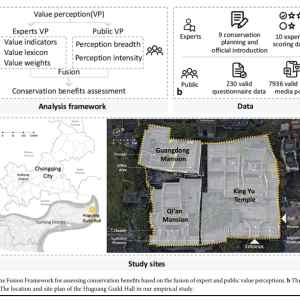
AbstractCultural heritage (CH) conservation has long been shaped by expert value perceptions (EVP), while public perspectives remain underrepresented. With the growing recognition of CH’s role in urban social sustainability, there is a need to move beyond
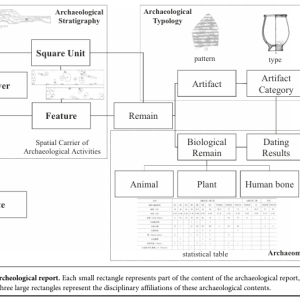
AbstractPrehistoric sites are important materials for understanding prehistoric civilization. This study addresses the limitations of current archaeological databases, which often suffer from fragmented data structures, weak spatiotemporal integration and
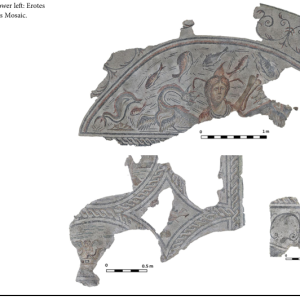
AbstractThis study presents an integrated archaeometric analysis of three key Roman mosaics (Tethys, Erotes, and Scrollworks) from the Marroquíes Altos site (Jaén, Spain), currently displayed at the Museum of Jaén. The aim was to enhance their historical
AbstractIn early Chinese civilization loess-based clay mold technology was instrumental to both the mass production of ritual bronzes and the development of metallurgical traditions. A comprehensive understanding of ancient Chinese bronze casting technolo
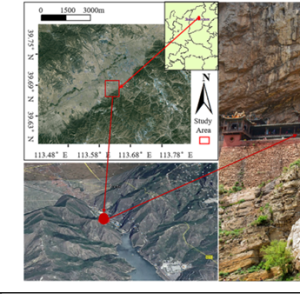
AbstractSuspended ancient timber structures, characterized by complex construction and unique load-transfer mechanisms, are prone to pronounced dynamic responses under pedestrian walking loads. This study aims to systematically investigate the structural
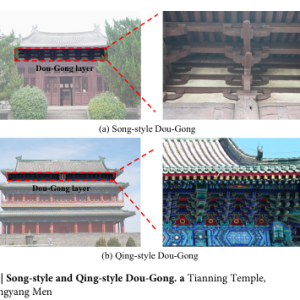
Published: 24 January 2026npj Heritage Science volume 14, Article number: 57 (2026)AbstractDou-Gong is one of the key factors in achieving seismic resistance and energy dissipation for timber architectural heritages. This study carried out experimental an
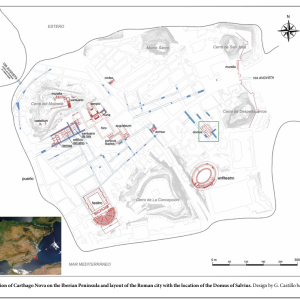
Published: 26 January 2026npj Heritage Science volume 14, Article number: 58 (2026)AbstractThis paper presents the multi-analytical study of the pictorial ensemble in Room 3 of the Domus of Salvius in Carthago Nova with the aim of deepening knowledge of t
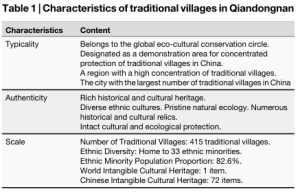
Published: 27 January 2026npj Heritage Science volume 14, Article number: 59 (2026)AbstractThis study develops a Cluster Protection and Utilization System (CPUS) through complex network analysis to enhance conservation strategies for traditional villages
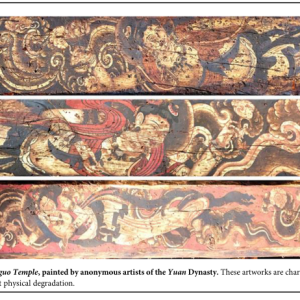
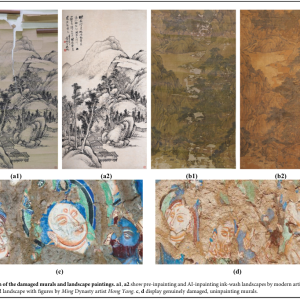
Published: 28 January 2026npj Heritage Science volume 14, Article number: 61 (2026)AbstractDigital inpainting of traditional Chinese murals is challenged by the difficulty of disentangling intricate structures from unique artistic styles, often leading to
AbstractDigital restoration of ancient murals is crucial for preserving cultural heritage. However, existing methods often suffer from semantic distortion and stylistic inconsistencies when repairing large damaged areas. This paper proposes M3SFormer, an
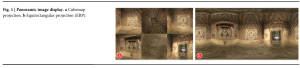
AbstractOnline cultural heritage presentations are transitioning from traditional media to immersive 3D displays, yet high-fidelity on-site 3D modeling faces copyright, security, and preservation constraints. This study proposes a deep learning-based 3D r
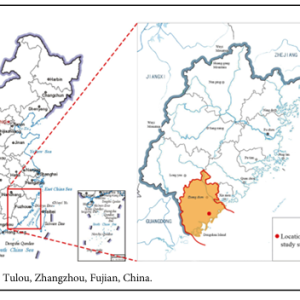
Published: 29 January 2026npj Heritage Science volume 14, Article number: 66 (2026)AbstractThis study applies high-precision industrial metrology to the conservation of rammed-earth buildings (Tulou), establishing a structural health monitoring (SHM) fram
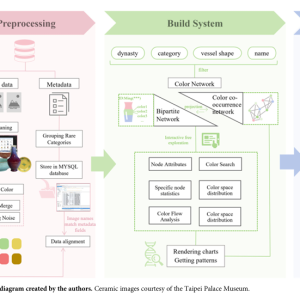
Published: 31 January 2026npj Heritage Science volume 14, Article number: 77 (2026)AbstractTraditional research on ceramic colors relies heavily on qualitative descriptions and subjective judgments. This approach limits the ability to process large-scale