
Silkroads News
Did Ancient Greeks Deliberately Build Temples on Earthquake Faults?
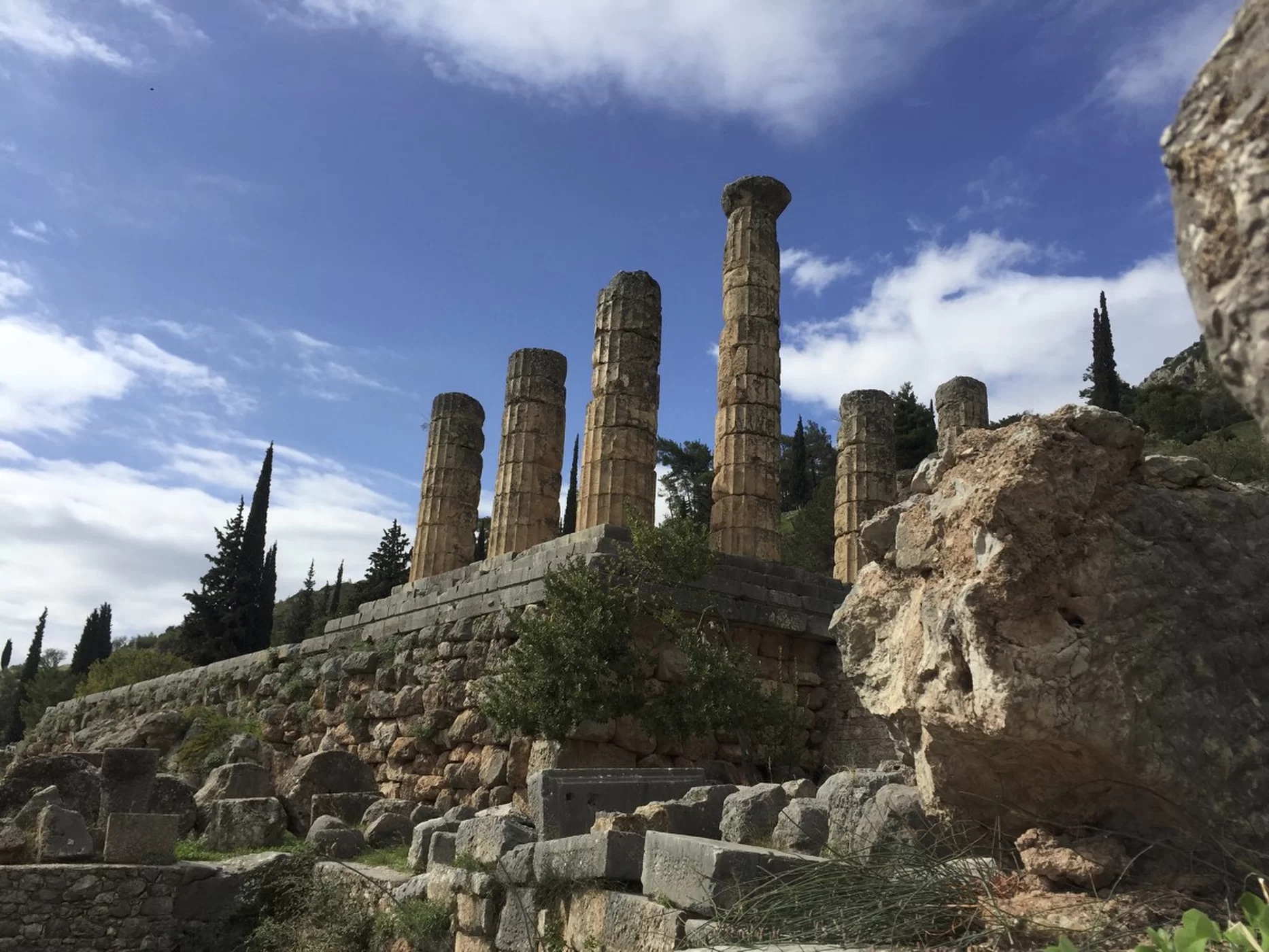
Credit: Motty Levy/Shutterstock
Archeologists and other scientists have long known that intoxicating gases emanating from water flowing from deep within the earth likely produced the visions of the oracle of Delphi, a seer who guided ancient Greeks with her prophecies from around 800 BC through the 4th century AD from her temple on Mount Parnassus.
Now new research suggests many other Greek sacred sites were built on similar fissures created by earthquakes throughout the Eastern Mediterranean.
"The ancient Greeks placed great value on hot springs unlocked by earthquakes," said Iain Stewart, professor of geoscience communication and director of the Sustainable Earth Institute at the University of Plymouth in Britain. "But perhaps the building of temples and cities close to these sites was more systematic than has previously been thought."
In a study published recently in the Proceedings of the Geologists' Association, Stewart showed how temples and other structures at Mycenae, Ephesus, Cnidus, and Hierapolis were, like Delphi, built and rebuilt over earthquake faults.
In Cnidus, an ancient, ruined city in what is now southwestern coastal Turkey, for example, locals erected a temple in the same place — over a fault in hindsight — even after earthquakes wrecked it.
"You think, ‘That's bad luck, isn't it?'" said Stewart, describing when he first reached his findings after reviewing his data. "Then it dawns on you. These people weren't stupid. There was this grand dawning that there was probably something deliberate here."
Category: English
News
Silkroads News
Key words: