
派依肯特古城Paikend Settlement
派依肯特古城(Paikent Settlement),公元前4世纪至公元13世纪;
派依肯特古城反映了丝绸之路综合关系一体化、社会价值观交流对城市发展、建筑和文化传统的影响。它是索格迪亚纳城镇规划和建筑在后期占领时期根据伊斯兰传统进行改造的杰出范例。它不仅作为贸易点,而且作为商人的生活之地,为贸易文化的发展和可持续性做出了巨大贡献。与其他琐碎的索格迪亚纳城邦不同,派依肯特古城不是君主制,而是共和制。派依肯特古城的大规模发掘使其成为前伊斯兰和穆斯林河中地区独特的信息来源。该城市的经济不仅通过贸易维持,还通过制造业维持:它包含玻璃吹制工和陶工的工作室遗迹,以及中亚已知最古老的药房遗迹。它于公元前3世纪被发现为堡垒,后来自公元5世纪起被改造成一个小镇,随着时间的推移而发展,在9-11世纪达到20公顷的面积,之后因缺水而被废弃。派依肯特古城是在灌溉和极端自然景观(沙质克孜勒库姆沙漠)交汇处形成的城市艺术的独特例子,同时也反映了丝绸之路积极的文化互动和商品交换的影响。派依肯特古城是城市规划、建筑创造力和定居点预定性质的独特例子,是繁忙贸易路线上的主要商业和文化中心。这得到了内部有壁画的大型宫殿、城堡上的琐罗亚斯德教庙宇、清真寺和尖塔的证实;在沙赫里斯坦和郊区挖掘出了其他带有雕刻石膏祈祷壁龛的邻里清真寺,还有坚固的防御工事、手工艺品商店、住宅建筑和精心研究的街道规划。派依肯特古城附近的巨大拉巴特或商队客栈是早期伊斯兰时期河中地区和呼罗珊之间贸易的良好见证。尽管位于布哈拉绿洲周围的坎皮尔杜瓦尔墙外,但派依肯特古城是索格迪亚纳布哈拉边境防御工事系统中的重要防御单位。
UZ-15 Paikend SettlementPaikend reflects the impact of the integration of comprehensive relations, the exchange of social values on the Silk Road, to urban development, architecture and cultural traditions. Exceptional example of Sogdian town planning and architecture transformed according to Islamic traditions in its later period of occupancy. It greatly contributed to the development and sustainability of trade culture, through serving, not only as the points for trading, but also as the living land of merchants. Unlike other petty Sogdian city-states Paikend was not a monarchy but a republic. The large-scale excavations at Paikend make it exceptional source of information on pre-Islamic and Moslem Transoxiana. The economy of the city was sustained not only through trade but also manufacturing: it contains the remains of the workshops of glassblowers and potters as well as remains of chemicals, Central Asia’s oldest known pharmacy. It was found as a fortress in the 3rdcentury BC and later was transformed into a small town since 5th century CE, developing with the course of time and reaching the area of 20 ha in the 9th -11th centuries before being abandoned due to shortage of water. Paikend is a unique example of urban art formed at the junction zones Irrigation and extreme natural landscape (sandy Kyzylkum desert), but also reflects the impact of an active cultural interaction and exchange of goods on the Silk Road. Paikend is a unique example of urban planning, architectural creativity, and the predetermined nature of settlement, as a major commercial and cultural center on a busy trade route. This is confirmed by the large palace with wall paintings in the interior, Zoroastrian temple, mosque and minaret on the citadel; other neighborhood mosques with carved gypsum prayer niches have been excavated in the shakhristan and suburb, there are solid fortifications, handicraft shops, residential buildings and well-studied street planning. Huge rabats or caravanserais in the neighborhood of Paykend are good witness to trade between Transoxiana and Khorasan in the centuries of early Islam. Although being outside the Kampyrduval wall surrounding Bukhara oasis, Paikend was an important defensive unit in the system of border fortifications of Sogdian Bukhara.
这些是中世纪布哈拉地区Paykend定居点的废墟。这座独特的城市被沙漠吞噬了几千年,这有助于保存它的遗迹直到今天。为此,考古学家将该地区昵称为亚洲的庞贝城。
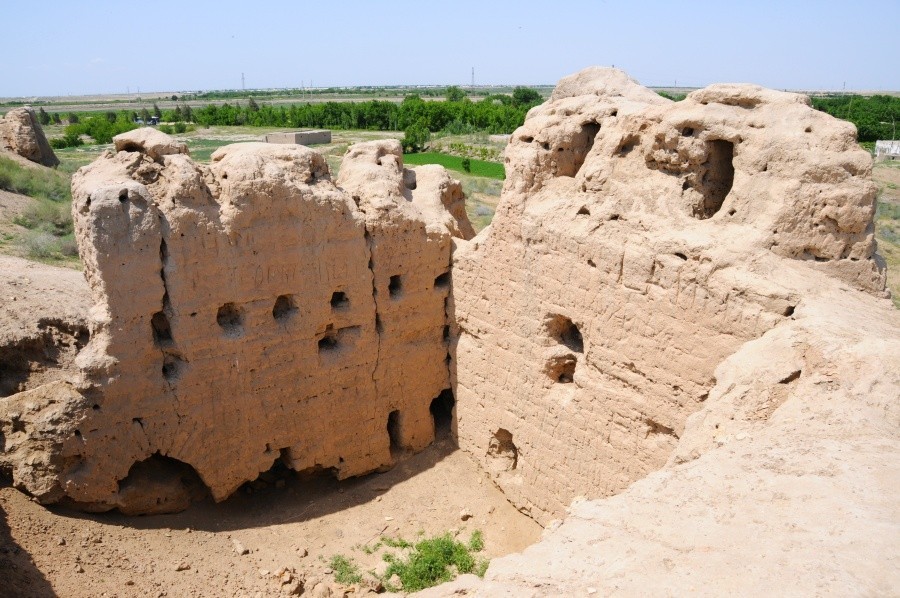
根据历史学家的说法,粟特镇的古城堡最早在我们千禧年之初就有人居住。在中世纪,统治者的宫殿,古老的寺庙和附属建筑都位于这里。毗邻城堡的两个内城(Shakhristan),Ephthalite曾经居住过,周围是带有塔楼的堡垒城墙,这使他们具有古城的地位。在定居点的北部有一个墓地和琐罗亚斯德教寺庙。
在萨曼王朝统治时期,这座城市经历了最高的鼎盛时期,变成了一个主要的贸易和手工艺中心。 许多商队在古城周围兴起,是许多前往布哈拉的商人的中途停留地。考古学家在这里发现了十一世纪一座古老的星期五清真寺的遗迹。.但在十一世纪,由于Zerafshan河变浅了,水停止流向Paykend并陷入衰退。数百年后,沙漠统治了这里,这帮助科学家们将古代历史的巨大宝藏拼凑成一个谜。
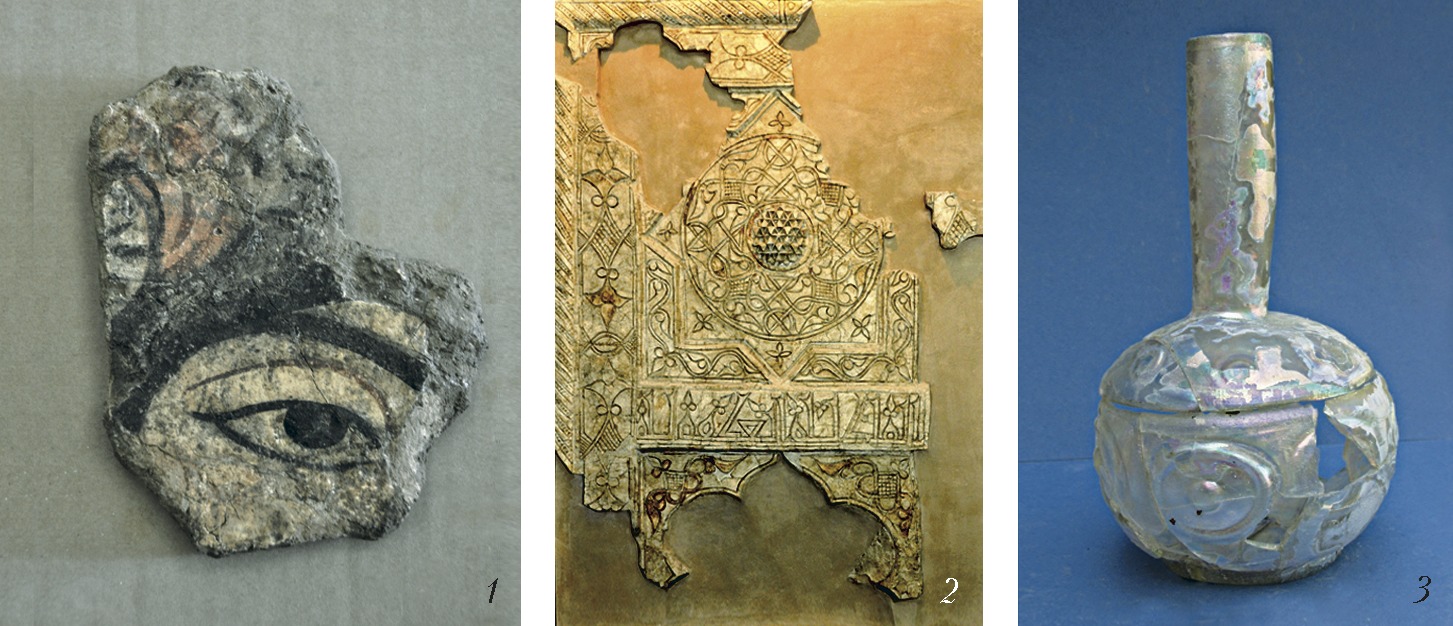
科学家们在这里发现了一种独特的材料,它证明了古代粟特最伟大的文化:三色彩绘的釉面陶瓷、用于化学实验的蓝色玻璃制品、用于储存香水和药物的瓶子和容器。
所有这些美丽都可以在Paykend定居点的历史博物馆中看到。
更新时间:2021-2-5 23:57 |
查看: 2508 | 发布者: gogoyy |