
书籍资料库
平城前后:内蒙古的鲜卑(4-6世纪)
摘要: 【魏晋南北朝史新书】平城前后:内蒙古的鲜卑(4-6世纪)NADPH2026年2月5日 21:38浙江Before and Beyond PingchengThe Xianbei in Inner Mongolia (4th-6th Centuries)平城前后:内蒙古的鲜卑(4-6世纪)编者:朱安耐(Annette L. Juliano)、乐仲迪(Judith A. Lerner)页数:约194 页尺寸:216 x 280 mm插图:9幅黑白,139幅彩图,4张黑白表格ISBN:978-2-50 ...
【魏晋南北朝史新书】平城前后:内蒙古的鲜卑(4-6世纪)NADPH 2026年2月5日 21:38 浙江Before and Beyond Pingcheng
The Xianbei in Inner Mongolia (4th-6th Centuries)
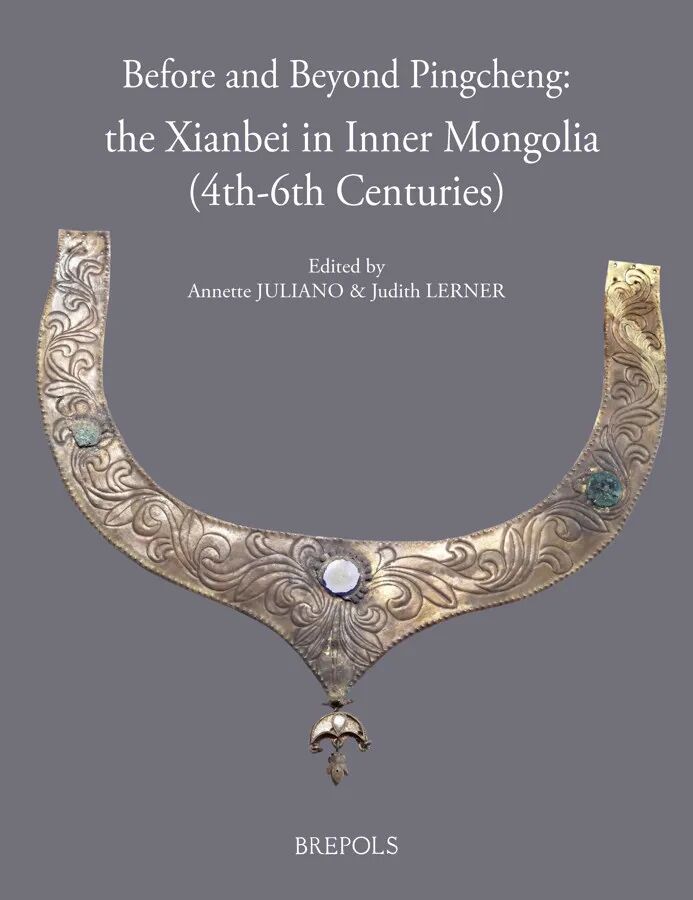
平城前后:内蒙古的鲜卑(4-6世纪)
编者: 朱安耐 (Annette L. Juliano)、乐仲迪 (Judith A. Lerner)
页数: 约194 页
尺寸: 216 x 280 mm
插图: 9幅黑白,139幅彩图,4张黑白表格
ISBN: 978-2-503-60439-8
装帧: 平装
出版时间: 即将出版(2026年4月)
内容简介
本书深入探讨了作为平城(今山西省大同市)鲜卑统治背景的多元游牧文化。平城是中国建立在北部边境、靠近鲜卑故土的第一个主要都城。
在中国漫长的历史长河中,近三分之一的王朝由游牧民族建立。传统上,汉唐之间(公元4-7世纪)被视为长达四百年的混乱时期,其特征是内乱和“蛮族”(即游牧民族)入侵。由于出土材料有限,以往很难评估各游牧群体贡献的重要性。然而,现在中国北方,特别是内蒙古自治区,涌现出了大量的新材料。
公元4世纪,游牧的鲜卑人在内蒙古东北部崛起,统辖了其他部落群体,并最终入主中原北方,建立了北魏王朝(386-535年)。尽管鲜卑在中国历史上地位重要,但至今仍鲜为人知,尤其是在西方。关于鲜卑以及其他游牧群体历史与文化的主要资料来源,一直是通过中国正史文本过滤而来的,而这些文本被公认存在偏见。
本书深入探讨了作为平城(今山西省大同市)鲜卑统治背景的多元游牧文化。平城是中国建立在北部边境、靠近鲜卑故土的第一个主要都城。
目录
序
导言
伊和诺尔(Yihe-nur)墓群之谜与鲜卑
朱安耐(Annette L. Juliano)、乐仲迪 (Judith A. Lerner)
第一部分:游牧民与北魏
鲜卑、敕勒(Tegreg)与柔然-阿瓦尔(Rouran-Abar):伊和诺尔与2至5/6世纪初内亚的游牧世界
史书仁(Sören Stark)
历史语境中的鲜卑
裴世凯(Scott Pearce)
铜鍑
乐仲迪(Judith A. Lerner)
平城的行国朝廷
曾庆盈(Chin-yin Tseng)
第二部分:抵达赤峰(Red Mountains):鲜卑与其来世观念
墓葬及其随葬品
朱安耐(Annette L. Juliano)
铺首
朱安耐(Annette L. Juliano)
装饰:游牧金器与铜器
罗晓岚(Sarah Laursen)
其他奢侈品
a: 作为欧亚大陆精英标识的带具与胸饰
史书仁(Sören Stark)
b: 奢侈品:本土与西方
乐仲迪(Judith A. Lerner)
c: 金颔托
朱安耐(Annette L. Juliano)、乐仲迪 (Judith A. Lerner)
d: 鎏金银耳杯
朱安耐(Annette L. Juliano)、乐仲迪 (Judith A. Lerner)
第三部分:鲜卑人是佛教徒吗?
内蒙古的早期佛教造像
朱安耐(Annette L. Juliano)
尖头胸饰
朱安耐(Annette L. Juliano)
结语
地点的力量:伊和诺尔与鲜卑
朱安耐(Annette L. Juliano)、乐仲迪 (Judith A. Lerner)
参考文献
学科分类
东方艺术史
古代中国与东亚
文化史与思想史(公元500年以前)
器物与材料(古物与物质文化)
作者简介
朱安耐(Annette L. Juliano),罗格斯大学(Rutgers University)荣休教授,纽约大学古代世界研究所(ISAW)兼职研究员。她发表了大量关于北朝视觉文化以及中国和中亚佛教的著作。
乐仲迪(Judith A. Lerner),纽约大学古代世界研究所(ISAW)兼职研究员。她的研究兴趣包括前伊斯兰时期的伊朗和中亚的视觉文化,以及生活在中国的这些地区移民的视觉文化。
Annette L. Juliano, Judith A. Lerner (eds)
Pages: approx. 194 p.
Size:216 x 280 mm
Illustrations:9 b/w, 139 col., 4 tables b/w.
ISBN: 978-2-503-60439-8
Paperback
Forthcoming (Apr/26)
This volume offers insights into the diverse nomadic cultures that form the background to Xianbei rule in Pingcheng (modern Datong, Shanxi province), the first major capital established in China built near the northern border close to their homeland.
SUMMARY
Over the course of China’s long history, almost one-third of its dynastic houses has been founded by nomads. Traditionally, the period between the Han and the Tang (4th–7th centuries CE) has been considered 400 hundred years of chaos, characterized by civil strife and “barbarian” (i.e., nomadic) invasions. The ability to evaluate the importance of various nomadic groups’ contributions was hampered by limited excavated materials. Now, however, a substantial amount of new material has emerged in northern China, specifically in the Inner Mongolia Autonomous Region.
In the fourth century, the nomadic Xianbei emerged in northeastern Inner Mongolia to dominate other tribal groups, and eventually invaded northern China to rule as the Northern Wei dynasty (386–535). Despite their importance in Chinese history, the Xianbei remain little-known today, especially in the West. A major source for Xianbei history and culture, as well as for that of other nomadic groups, has been filtered through the Chinese dynastic texts, which are acknowledged as biased.
This volume offers insights into the diverse nomadic cultures that form the background to Xianbei rule in Pingcheng (modern Datong, Shanxi province), the first major capital established in China built near the northern border close to their homeland.
TABLE OF CONTENTS
Preface
Introduction
The Puzzle of the Yihe-nur Cemetery and the Xianbei
Annette L. Juliano and Judith A. Lerner
Part I: Nomads and the Northern Wei
Xianbei, Tegreg, and Rouran-Abar: Yihe-Nur and the Nomadic World of Inner Asia between the Second and the Fifth/Early Sixth Century CE
Soren Stark
The Xianbei in their Historical Setting
Scott Pearce
Cauldrons
Judith A. Lerner
The Mobile Court of Pingcheng
Chin-yin Tseng
Part II: Reaching the Red Mountains: Xianbei and the Afterlife
Tombs and Their Furnishings
Annette L. Juliano
Pushou
Annette L. Juliano
Adorned: Nomadic Gold and Bronze
Sarah Laursen
Other Luxury Items
a: Belts and Pectorals as Elite Markers Across Eurasia
Soren Stark
b: Luxury Objects: Local and from the West
Judith A. Lerner
c: The Gold Chinstrap
Annette L. Juliano and Judith A. Lerner
d: The Gilt Silver Eared Cup
Annette L. Juliano and Judith A. Lerner
Part III: Were the Xianbei Buddhists?
Early Buddhist Images from Inner Mongolia
Annette L. Juliano
The Pointed Pectoral
Annette L. Juliano
Conclusion
The Power of Place: Yihe-Nur and the Xianbei
Annette L. Juliano and Judith A. Lerner
Bibliography
Bibliography
SUBJECT(S)
Oriental art history
Ancient China & East Asia
Cultural & intellectual history (up to c. 500)
Objects and materials (antiquities & material culture)
BIO
Annette L. Juliano is Professor Emerita, Rutgers University and a Research Associate at the Institute for the Study of the Ancient World (NYU). She has published widely on the visual culture of the Northern Dynasties and Buddhism in China and Central Asia.
Judith A. Lerner is a Research Associate at the Institute for the Study of the Ancient World (NYU). Her interests include the visual cultures of pre-Islamic Iran and Central Asia as well as that of people from these regions who lived in China.
https://www.brepols.net/products/IS-9782503604398-1
The Xianbei in Inner Mongolia (4th-6th Centuries)
平城前后:内蒙古的鲜卑(4-6世纪)
编者: 朱安耐 (Annette L. Juliano)、乐仲迪 (Judith A. Lerner)
页数: 约194 页
尺寸: 216 x 280 mm
插图: 9幅黑白,139幅彩图,4张黑白表格
ISBN: 978-2-503-60439-8
装帧: 平装
出版时间: 即将出版(2026年4月)
内容简介
本书深入探讨了作为平城(今山西省大同市)鲜卑统治背景的多元游牧文化。平城是中国建立在北部边境、靠近鲜卑故土的第一个主要都城。
在中国漫长的历史长河中,近三分之一的王朝由游牧民族建立。传统上,汉唐之间(公元4-7世纪)被视为长达四百年的混乱时期,其特征是内乱和“蛮族”(即游牧民族)入侵。由于出土材料有限,以往很难评估各游牧群体贡献的重要性。然而,现在中国北方,特别是内蒙古自治区,涌现出了大量的新材料。
公元4世纪,游牧的鲜卑人在内蒙古东北部崛起,统辖了其他部落群体,并最终入主中原北方,建立了北魏王朝(386-535年)。尽管鲜卑在中国历史上地位重要,但至今仍鲜为人知,尤其是在西方。关于鲜卑以及其他游牧群体历史与文化的主要资料来源,一直是通过中国正史文本过滤而来的,而这些文本被公认存在偏见。
本书深入探讨了作为平城(今山西省大同市)鲜卑统治背景的多元游牧文化。平城是中国建立在北部边境、靠近鲜卑故土的第一个主要都城。
目录
序
导言
伊和诺尔(Yihe-nur)墓群之谜与鲜卑
朱安耐(Annette L. Juliano)、乐仲迪 (Judith A. Lerner)
第一部分:游牧民与北魏
鲜卑、敕勒(Tegreg)与柔然-阿瓦尔(Rouran-Abar):伊和诺尔与2至5/6世纪初内亚的游牧世界
史书仁(Sören Stark)
历史语境中的鲜卑
裴世凯(Scott Pearce)
铜鍑
乐仲迪(Judith A. Lerner)
平城的行国朝廷
曾庆盈(Chin-yin Tseng)
第二部分:抵达赤峰(Red Mountains):鲜卑与其来世观念
墓葬及其随葬品
朱安耐(Annette L. Juliano)
铺首
朱安耐(Annette L. Juliano)
装饰:游牧金器与铜器
罗晓岚(Sarah Laursen)
其他奢侈品
a: 作为欧亚大陆精英标识的带具与胸饰
史书仁(Sören Stark)
b: 奢侈品:本土与西方
乐仲迪(Judith A. Lerner)
c: 金颔托
朱安耐(Annette L. Juliano)、乐仲迪 (Judith A. Lerner)
d: 鎏金银耳杯
朱安耐(Annette L. Juliano)、乐仲迪 (Judith A. Lerner)
第三部分:鲜卑人是佛教徒吗?
内蒙古的早期佛教造像
朱安耐(Annette L. Juliano)
尖头胸饰
朱安耐(Annette L. Juliano)
结语
地点的力量:伊和诺尔与鲜卑
朱安耐(Annette L. Juliano)、乐仲迪 (Judith A. Lerner)
参考文献
学科分类
东方艺术史
古代中国与东亚
文化史与思想史(公元500年以前)
器物与材料(古物与物质文化)
作者简介
朱安耐(Annette L. Juliano),罗格斯大学(Rutgers University)荣休教授,纽约大学古代世界研究所(ISAW)兼职研究员。她发表了大量关于北朝视觉文化以及中国和中亚佛教的著作。
乐仲迪(Judith A. Lerner),纽约大学古代世界研究所(ISAW)兼职研究员。她的研究兴趣包括前伊斯兰时期的伊朗和中亚的视觉文化,以及生活在中国的这些地区移民的视觉文化。
Annette L. Juliano, Judith A. Lerner (eds)
Pages: approx. 194 p.
Size:216 x 280 mm
Illustrations:9 b/w, 139 col., 4 tables b/w.
ISBN: 978-2-503-60439-8
Paperback
Forthcoming (Apr/26)
This volume offers insights into the diverse nomadic cultures that form the background to Xianbei rule in Pingcheng (modern Datong, Shanxi province), the first major capital established in China built near the northern border close to their homeland.
SUMMARY
Over the course of China’s long history, almost one-third of its dynastic houses has been founded by nomads. Traditionally, the period between the Han and the Tang (4th–7th centuries CE) has been considered 400 hundred years of chaos, characterized by civil strife and “barbarian” (i.e., nomadic) invasions. The ability to evaluate the importance of various nomadic groups’ contributions was hampered by limited excavated materials. Now, however, a substantial amount of new material has emerged in northern China, specifically in the Inner Mongolia Autonomous Region.
In the fourth century, the nomadic Xianbei emerged in northeastern Inner Mongolia to dominate other tribal groups, and eventually invaded northern China to rule as the Northern Wei dynasty (386–535). Despite their importance in Chinese history, the Xianbei remain little-known today, especially in the West. A major source for Xianbei history and culture, as well as for that of other nomadic groups, has been filtered through the Chinese dynastic texts, which are acknowledged as biased.
This volume offers insights into the diverse nomadic cultures that form the background to Xianbei rule in Pingcheng (modern Datong, Shanxi province), the first major capital established in China built near the northern border close to their homeland.
TABLE OF CONTENTS
Preface
Introduction
The Puzzle of the Yihe-nur Cemetery and the Xianbei
Annette L. Juliano and Judith A. Lerner
Part I: Nomads and the Northern Wei
Xianbei, Tegreg, and Rouran-Abar: Yihe-Nur and the Nomadic World of Inner Asia between the Second and the Fifth/Early Sixth Century CE
Soren Stark
The Xianbei in their Historical Setting
Scott Pearce
Cauldrons
Judith A. Lerner
The Mobile Court of Pingcheng
Chin-yin Tseng
Part II: Reaching the Red Mountains: Xianbei and the Afterlife
Tombs and Their Furnishings
Annette L. Juliano
Pushou
Annette L. Juliano
Adorned: Nomadic Gold and Bronze
Sarah Laursen
Other Luxury Items
a: Belts and Pectorals as Elite Markers Across Eurasia
Soren Stark
b: Luxury Objects: Local and from the West
Judith A. Lerner
c: The Gold Chinstrap
Annette L. Juliano and Judith A. Lerner
d: The Gilt Silver Eared Cup
Annette L. Juliano and Judith A. Lerner
Part III: Were the Xianbei Buddhists?
Early Buddhist Images from Inner Mongolia
Annette L. Juliano
The Pointed Pectoral
Annette L. Juliano
Conclusion
The Power of Place: Yihe-Nur and the Xianbei
Annette L. Juliano and Judith A. Lerner
Bibliography
Bibliography
SUBJECT(S)
Oriental art history
Ancient China & East Asia
Cultural & intellectual history (up to c. 500)
Objects and materials (antiquities & material culture)
BIO
Annette L. Juliano is Professor Emerita, Rutgers University and a Research Associate at the Institute for the Study of the Ancient World (NYU). She has published widely on the visual culture of the Northern Dynasties and Buddhism in China and Central Asia.
Judith A. Lerner is a Research Associate at the Institute for the Study of the Ancient World (NYU). Her interests include the visual cultures of pre-Islamic Iran and Central Asia as well as that of people from these regions who lived in China.
https://www.brepols.net/products/IS-9782503604398-1